This is a free essay sample available for all students. If you are looking for academic essays for sale on the topic “Why Exotic Animals Should Not Be Pets”, browse our private essay samples.
Introduction
There are plenty of animal enthusiasts who have a fantasy of one day owning an exotic pet. While this sounds like a unique idea, the reality is that there are many disadvantages to this – both for the human and the pet.
What are the reasons why exotic animals should not be kept as pets? The writer of this sample essay talks about why this is a bad idea – both for the owner and the pet.
Interested in getting some expert help on your essay? Try our affordable essay writing services, care of our team of professional writers.
Why Housing Wild Animals is Not a Good Idea
Do you know of people who dream of adopting an exotic animal and keeping it as a pet? There are many animal lovers who are fascinated by rare species, so much so that they want to bring them home and love them as their own.
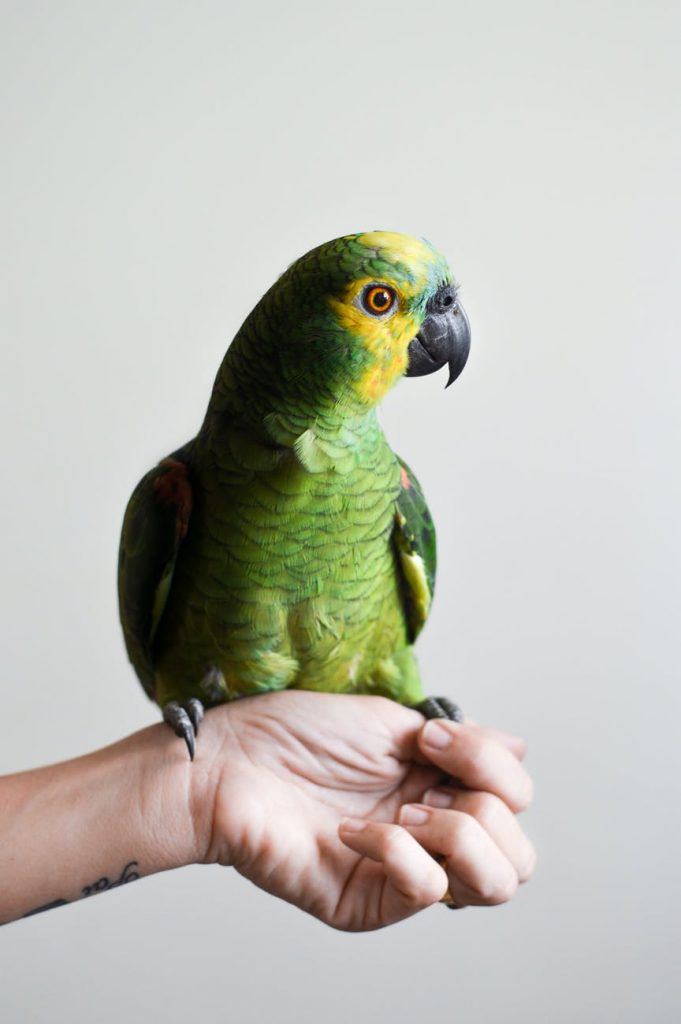
As noble as the intention is, I believe that it is never a good idea to take exotic animals out of their natural habitats and bring them to your home. It is a bit naive to think that it will be easy for them to acclimatize in a place that does not in any way reflect their original home.
What are the reasons why owning exotic pets is dangerous both for you and the animal? I would like to share a few arguments in this essay.
Having wild animals as pets is high-maintenance
More than just the added care to another member of the family, exotic animals are notoriously difficult to take care of because it is close to impossible to replicate the natural environment that they need in order to thrive. For instance, if you want to own your own tigers, keeping them means that you would need to purchase or possess a very big plot of land for them to roam around in. If you are planning to adopt a bobcat, you would constantly need to provide it with prey that is as much as eight times bigger than itself for it to hunt down and kill. Chimpanzees and other non human primates would require you to construct plenty of areas in your home for free-climbing.
In other words, each of these wild animals has unique needs and requires specific living conditions in order to feel safe and at home. Of course, it goes without saying that their maintenance also requires a high price tag? For example, to maintain caring for a tiger, it will cost you around $6,000 just to keep it in its cage. You would need to be in the top 1% of America’s wealthiest to be able to shoulder this cost.
Many exotic animals carry diseases
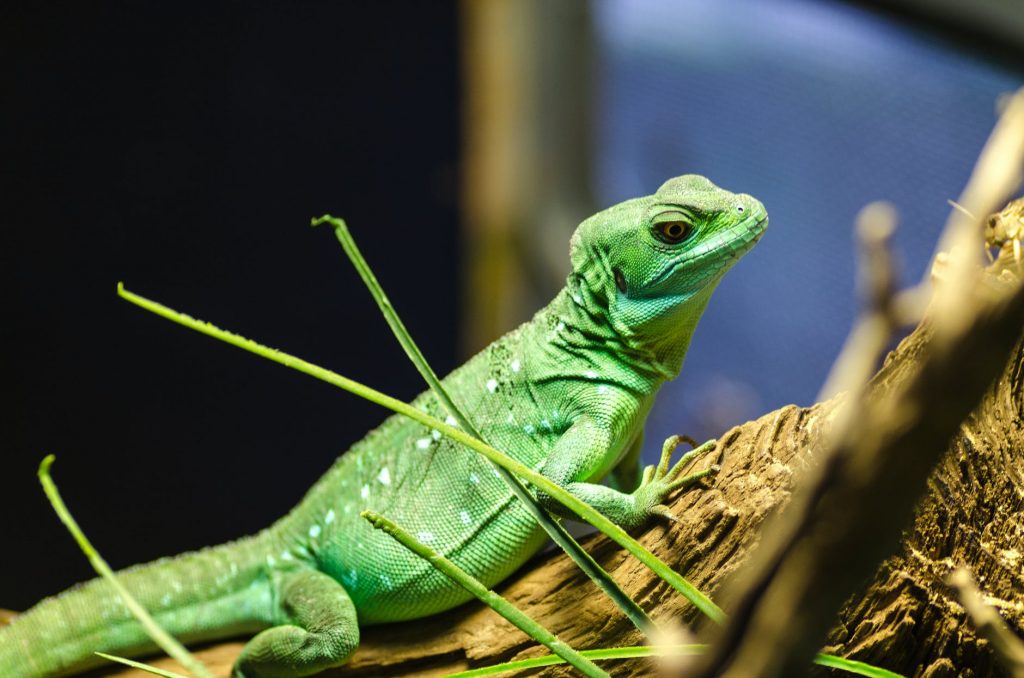
One of the biggest concerns in housing rare animals is the fact that plenty of them walk around as powerful carriers of damaging bacteria and illnesses. For example, several reptiles are known to be carriers of salmonella and shigella, which are two different types of bacteria. One of these reptiles is the iguana, which is one of the more popular choices for pet owners. In fact, data shows that a whopping 90 percent of imported green iguanas harbor unknown strains of dangerous intestinal bacteria. Several macaques are also said to have had the herpes B virus.
Other diseases and ailments carried by other animals include chlamydia, measles, tuberculosis, hepatitis A, and rabies – all of which can be harmful to pet owners and their families.
It is physically dangerous to keep exotic animals at home
It is literally life-threatening to have a wild animal as a pet. There have been countless news stories over the years about accidents and attacks involving large cats, for instance. The most tragic accidents are the ones where children end up being prey or falling victim. Large pets such as lions and tigers have been known to bite off body parts and even actually kill someone. They are also a threat to the typical smaller common household pets, such as cats and dogs.
It is also not just a matter of private safety, but also public safety. Imagine if any of these wild animals escaped their cages and freely roam your neighborhood streets. You would be responsible for possible attacks, injuries, and even deaths that might occur should your pet see someone else as prey.
Bringing home exotic pets perpetuates the endangerment of rare species
Because there is an increasing demand for these fascinating creatures, participating in the capture and adoption of animals that are deemed endangered species actually builds on the cycle and repeats it. You would be directly contributing to the worldwide problem of animal extinction and endangerment. One of the collateral damages is animals dying while in transit. Some never even make it past captivity.
Conclusion
While I understand that having interesting pets makes for good conversation, I believe that there some animals belong only in the wild because that is where they will do well. The thought of seeing animals in captivity then eventually making it into a pet owner’s home only to not feel comfortable breaks my heart. I wish that pet lovers would think through a big decision like this and recognize that more harm will be done than good. I hope that they think about animal rights and think about the welfare of these amazing creatures that they want to keep in cages at home.
There are other animals that make good pets, and I think that while most of these are common sights in many homes, they thrive with human families for a reason. I firmly believe that we should stick to these familiar friends and refrain from participating in pet acquisitions that are expensive, complicated, and even illegal in some countries. Let’s allow exotic animals to truly flourish where they belong and simply admire them from afar. Let’s allow nature to take care of them through the propagation and support of their natural habitat, for both their good and ours.
FAQs
What are the pros of having an exotic animal as a pet?
The only upside of keeping exotic animals at home is that they are interesting to talk about and fun to get to know. Since you are not too familiar yet with the species it represents, being able to see one in your home daily is a great way to discover how to care for them properly and build a relationship with them.
What are the cons of having an exotic animal as a pet?
Keeping wild animals at home is actually a difficult thing to do and also a harmful idea. Not only are these pets notoriously expensive and complicated to maintain, but they can also actually be dangerous animals that could cause injury, sickness, or death to any of the family members residing in your home. Not just that, they can also be a threat to public safety as there is a chance that they could somehow escape from their spaces and cages at home and end up going up and down the neighborhood streets.
This could incite panic, terror, and chaos in the community, with your pet possibly even attacking any of your neighbors. You would also have to be extremely wealthy to be able to keep them long-term. If you have big cats at home, for instance, you would need to elevate your space to integrate features that would simulate their life in the wild, including figuring out how to get them their prey.